Sustainable Habitat
My fieldwork showed me that Odenton’s land tells a complicated story. The town has damaged parts of its landscape, and it has repaired others. Growth continues, but so does tension between design and daily behavior.
When I study Odenton through a sustainability lens, I see a town in transition. Sustainable habitat here is not only about environmental preservation, but it is also about designing an environment that sustains life, strengthens community, and honors the town’s unique charm.
Ecological Destruction to Restoration

Odenton’s development has not always supported its natural habitat. In the 1940s and 1950s, much of the land was mined for sand and gravel. Companies destroyed wetlands and displaced wildlife. That damage still shapes the terrain today.
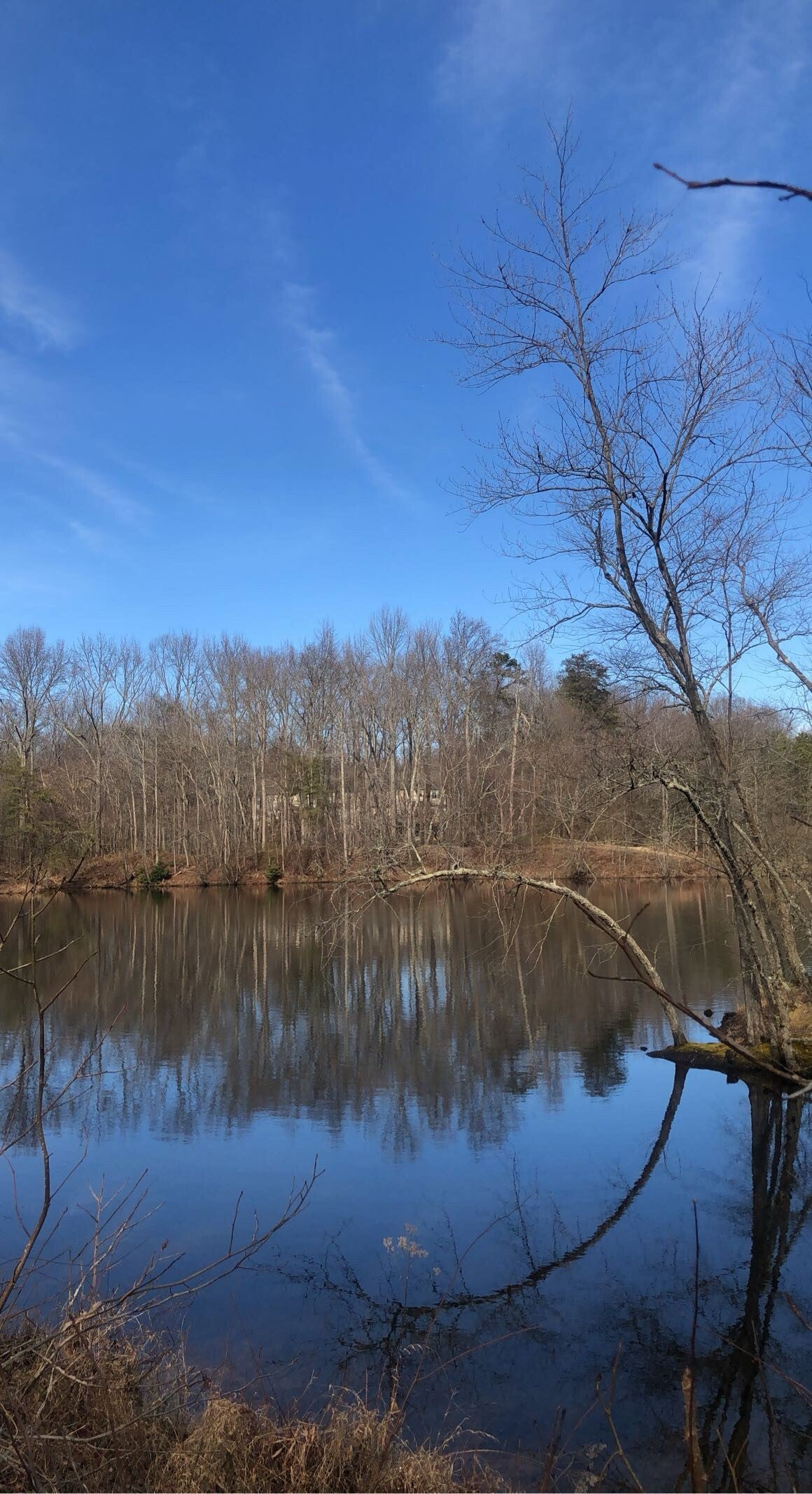
In the 1980s, Constellation Real Estate Group transformed former mining land into Piney Orchard and the Piney Orchard Nature Preserve.
They built five ponds, restored wetlands, replanted native flora, and added trails and green space. Piney Orchard demonstrates how intentional design can repair ecological damage while creating community value.


The Odenton Town Center Plan: Future Sustainability Initiatives
The Odenton Town Center (OTC) development plan reflects Odenton’s desire for more intentional green infrastructure and walkable public spaces. The plan includes expanded open green space, increased tree canopy, additional electric vehicle charging stations, construction of more sidewalks, and the expansion of public sewer and water services. These steps align the environment with daily activity. Effective planning connects ecology, mobility, and infrastructure.


The Behavioral Gap
Sustainability strategies only succeed if residents engage with them. Despite sidewalks connecting Piney Orchard to The Market Place, most residents drive. The same pattern appears at the Odenton Shopping Center and the Seven Oaks Shopping Center, which have the same type of retailers: grocery store, restaurants, nail salons, and dental offices. During my fieldwork, I noticed slightly more foot traffic at The Market Place compared to the two other shopping centers. I believe the design likely contributes to the difference. The Market Place sits farther from high-speed, multi-lane traffic and a roundabout slows cars at the entrance, improving pedestrian safety. The other centers sit along busy roads, making pedestrians feel less safe.
This made clear that sidewalks alone do not create walkability; safety, proximity, and traffic flow shape behavior. Effective infrastructure must reduce friction and prioritize people.


Attractive Housing, but Not Affordable:
Odenton is considered an attractive place to live due to its proximity to Fort Meade, access to the MARC train, and location between Annapolis, Baltimore, and Washington D.C., especially for government workers and military families. It is often recommended as a top town for those stationed at Fort Meade. However, housing variety and affordability present challenges.
Current housing data shows:
- Average standalone single-family homes sell around $800,000.
- Townhomes average around $435,000.
- Overall home value stands around $463,000.
- Average rent is near $2,800/month compared to the national average of $1,900.
- 46.9% of renters spending 35% or more of their income on rent.
This data signals an affordability crisis, particularly for lower-income and younger households. Most new units are luxury apartments and townhomes, limiting entry-level and middle-income options. When only higher-priced housing is built, fewer people can afford to live here.